

What is Lockout/Tagout and How to Perform It
When it comes to industrial safety, prevention is key. One of the most effective ways to prevent workplace accidents and protect employees from hazardous energy is through the proper implementation of lockout/tagout (LOTO) procedures. At Stoneway Electric Supply, we prioritize the well-being of workers by supporting safety practices that make a difference.
What is Lockout/Tagout?
Lockout/tagout (LOTO) is a safety protocol used to prevent the unexpected startup or release of hazardous energy from machines or equipment during servicing or maintenance. According to OSHA, hazardous energy includes electrical, mechanical, hydraulic, pneumatic, chemical, thermal, and other energy sources that could cause serious injury or death.
The two parts of LOTO serve distinct functions:
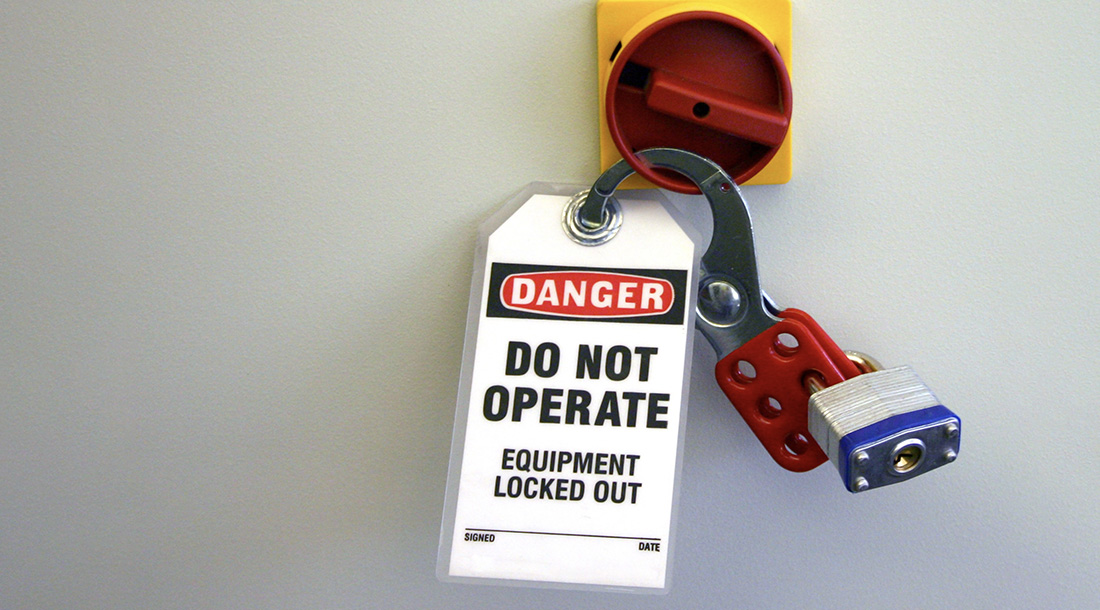
- Lockout involves physically isolating the energy source using a lock or device to ensure it cannot be engaged.
- Tagout involves attaching a visible warning tag to the isolated device, informing others not to operate the equipment and identifying the individual performing the procedure.
Both components must be used together to ensure maximum safety. Tagging alone does not replace physical lockout and should only follow the lockout step.
Why Lockout/Tagout Matters
LOTO procedures are not just safety best practices—they’re required by OSHA to protect workers. Proper compliance is credited with preventing more than 120 fatalities and 50,000 injuries annually. Not following LOTO standards can also result in costly regulatory penalties.
For businesses across manufacturing, utilities, construction, and beyond, a strong LOTO program is a critical part of a compliant and safe work environment.
Steps of the Lockout/Tagout Process
While specific procedures may vary by equipment, every LOTO process should include the following general steps. Only trained and authorized personnel should perform these steps:
1. Preparation
Identify all energy sources related to the equipment. Gather all necessary LOTO devices and ensure you understand how the energy is controlled.
2. Communication
Notify affected employees that equipment will be shut down and locked out for servicing. Clear communication is essential to ensure workplace awareness.
3. Isolation
Shut down the equipment and isolate it from its energy sources using energy-isolating devices such as circuit breakers, shutoff valves, or disconnect switches.
4. Lockout
Apply the appropriate lockout devices to each energy-isolating device, ensuring they are held in the “off” or “safe” position.
5. Tagout
Attach tags to each lockout device. Include the name of the person performing the lockout, date, contact info, and reason for LOTO. This ensures accountability and visibility.
6. Stored Energy Check
Even with isolation, stored or residual energy may remain. Bleed off or discharge any residual energy and ensure that equipment is in a zero-energy state.
7. Verification
Attempt to operate the equipment to confirm it will not activate. This step ensures that the lockout is effective before any work begins.
Strengthen Workplace Safety with Stoneway
Lockout/tagout is a cornerstone of industrial safety—and reviewing your program annually is essential. Stoneway Electric Supply supports LOTO efforts with a wide range of safety products, from durable padlocks to lockout stations and custom tagging solutions.
We’re proud to help keep your team safe with reliable equipment and expert guidance. Contact your local Stoneway Electric Supply location to learn how our team can help.